

Piggy Banks and Envelope Methods: Making Savings Visible
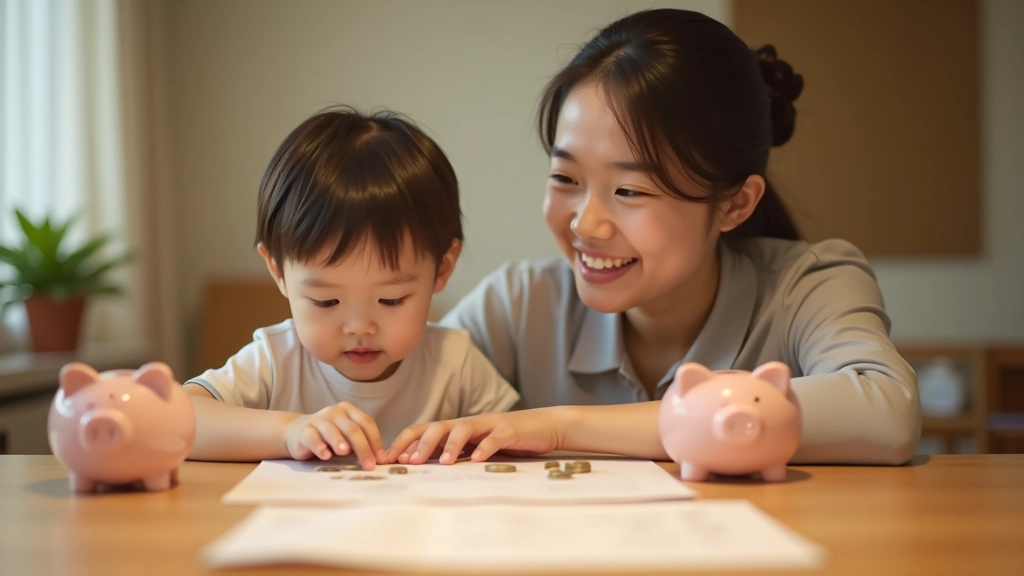
Practical systems for helping children see their money grow. From traditional piggy banks to envelope tracking, these methods make saving tangible and rewarding.
Read GuideFrom lai see to pocket money — practical lessons that actually work
Age-appropriate financial lessons for Hong Kong families
Financial habits formed in childhood last a lifetime
of kids who learn money habits by age 7 maintain them into adulthood
the ideal age range to introduce structured pocket money systems
average time to see changes in spending awareness and saving habits
Piggy banks and envelope systems make money real. Digital balance screens work too, but kids learn faster with something they can touch and watch grow.
Shopping trips are your classroom. Point out the difference between essentials and impulses. It’s not about saying no — it’s about making choices matter.
Octopus card balance checks, envelope totals, or piggy bank weighing sessions turn money awareness into a habit. Kids who see progress stay motivated.
Primary school rules don’t work for teenagers. We’ll show you how to evolve your approach through secondary school without losing the core lessons.
Introduce pocket money. Use piggy banks. Start simple: pocket money equals responsibility.
Teach needs versus wants. Bring them shopping. Let them make choices — and live with them.
Introduce Octopus card tracking. Discuss savings goals. Show how small amounts add up.
Lai see money management. Part-time job conversations. Introduce budgeting for bigger purchases.
We’re not here to tell you there’s one right way. Every family’s different — different incomes, different values, different situations. What we do is show you what actually works.
Whether you’re using cash envelopes, tracking on an Octopus card, or combining both, we’ve got practical advice that fits your life. No complicated spreadsheets. No lecturing. Just straightforward ideas you can start using this week.
And we get that Chinese New Year changes things. Lai see money is an opportunity — not a problem. We’ll show you how to turn it into a real lesson about saving and smart choices.
See Our Full Approach
Start with one of these — each covers a different angle of teaching money to kids
Practical systems for helping children see their money grow. From traditional piggy banks to envelope tracking, these methods make saving tangible and rewarding.
Read Guide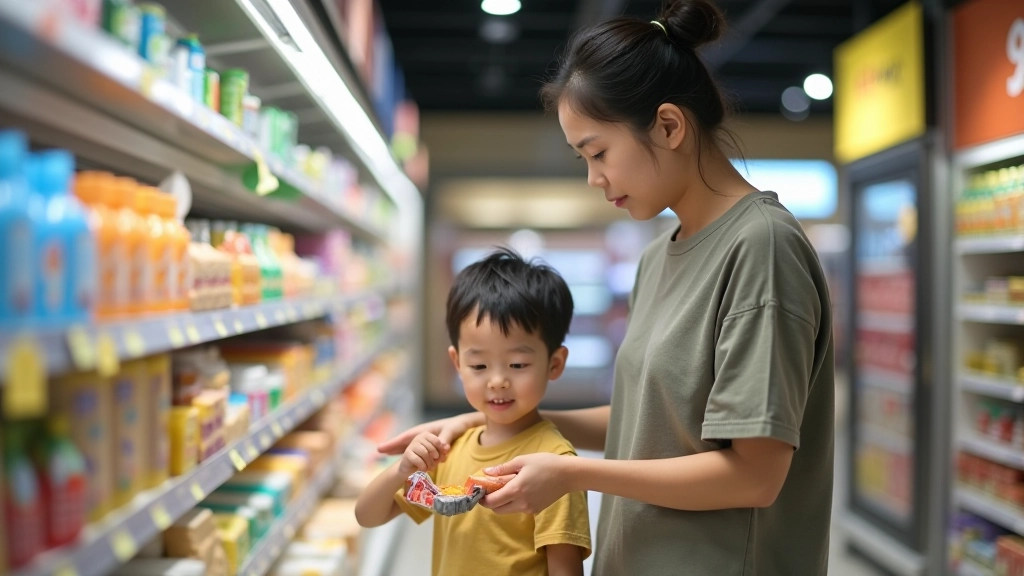
Turn everyday shopping into a learning opportunity. We’ll show you how to help your child distinguish between essential purchases and things they just want in the moment.
Read Guide
Your child already uses an Octopus card for transport and snacks. Here’s how to turn it into a practical lesson about spending awareness and staying within limits.
Read GuideWe’re here to help. Whether you’re setting up your first piggy bank system or adapting your approach for a teenager, reach out. We’ll give you straightforward advice tailored to your situation.